
Written by: Dr. Holly A Ritchie and Julie Zollman
Table of Contents
This briefing note aims to offer deeper insights into the experience of the Covid-19 pandemic in urban refugee communities in Kenya over 2020–2021, drawing on both recent research and an online symposium organized in July 2021 (sponsored by Tufts University).
Key Messages
Urban refugee communities in Kenya have been hit extremely hard by the fallout of the pandemic, exposing existing refugee vulnerabilities and exacerbating refugee fragility in a hostile context.
Technology has played a key role in refugee support both for continuity of NGO assistance, with remote coordination, virtual training/learning and psychosocial support, but also within communities, with refugees’ own (evolving) use of smartphones and apps for information, security and protection. Digital divide issues – access and usage – require consideration, though, particularly related to gender and age.
Technology could not replace in-person interaction, which has been vital in providing face-to-face psychological and social support as well as in the delivery of local assistance.
Local community-based and refugee-led organisations have proved instrumental at a grassroots level in physically stepping in to support vulnerable refugee households, daily needs and food security, but they suffer a lack of recognition and access to funds. The crisis accelerated the development of refugee umbrella bodies to better coordinate with aid actors and donors.
📝 This article was originally published as a report by the Henry J. Leir Institute at The Fletcher School of Law & Diplomacy and Tufts University.
Download the original report below ⬇️
Background to Refugees in Kenya
Approximately 443,000 refugees reside in refugee camps (84 percent of refugees) in Kenya, whilst the capital Nairobi is estimated to host around 82,000 refugees¹. Kenya is a signatory to all global and regional policy commitments to promote the economic inclusion of refugees, including the Global Refugee Compact and the Kampala, Nairobi and Djibouti declarations, which have articulated expanding refugee access to ‘livelihoods, durable solutions and integration’ (IRC, 2021). Refugees out of the camps have less access to humanitarian assistance, but refugees have been attracted to the urban centres for improved access to economic opportunities and social services (Omata, 2020). The city reality has been challenging, however. Many poor refugees, such as Somali women refugees in Eastleigh, remain highly marginalized, eking out a living as ‘survivalist’ traders, and often struggle to meet basic needs. Refugees suffer hostility, police intimidation, and harassment as a result of xenophobia and a lack of government permits. Meanwhile, Somali refugee women traders face additional community-owned pressures related to women’s public roles (Ritchie, 2018).
The Socio-economic Fallout of Covid-19 in Kenya
The Covid-19 pandemic has sent shock waves around the world. Whilst reported deaths and health impacts vary across countries, the struggle to contain and cope with the crisis by Kenyan authorities has led to major disruption to everyday lives, including access to jobs and livelihoods, basic healthcare, education and social support (Appendix 1), with vulnerable groups such as urban refugees feeling the brunt of such disruption with uncertain rights and support. UN Women draws attention to the ‘shadow pandemic’ with the surge in gender-based violence (GBV) against women. This includes domestic violence (UN Women, 2020) but also indicators of increased child marriage (Affoum and Recavarren, 2020), trafficking (UNODC, 2021), and FGM (Orchid, 2020). With isolation and confinement, households have also suffered major mental health issues (Fernandez, 2021).
“The pandemic and the related restrictions had a strong impact on the livelihoods of Kenyan households…”
(Pape and Delius, 2021)
‘Extreme shock’, with Cities and Urban Poor Hit Hard
With the first Covid-19 cases emerging in Kenya in March 2020, by April various restrictions had been put in place, including limiting international and in-country movement, banning public gatherings, requiring people to work from home, and night-time curfews (Ndirangu and Atuhaire, 2020). As a result of government measures including travel restrictions, lockdowns, curfews, as well as business closures, over a million people in Kenya lost their jobs². Employment fell from 71 percent to 50 percent in May–June 2020, although it was shown to bounce back to 76 percent by April–June 2021 (Pape and Delius, 2021). According to the World Bank (2021), the shock to employment was felt particularly in urban areas and resulted in a huge reduction in earnings (Pape and Delius, 2021).
Refugees in Kenya During COVID-19: From Dire to Desperate
Refugee household incomes were deeply impacted by the ‘shock’ of the pandemic with the closure of small businesses, salary cuts, and layoffs (RefugePoint, 2020). Incomes suffered with the loss of casual work as well as ‘highly valued’ jobs as translators and facilitators to NGOs, in addition to a drop in remittances and business sales (IRC, 2021). Movement restrictions and curfews affected both workers and businesses, with opening hours curtailed and trading suppressed. This has had a significant impact on refugee livelihoods and (safe) daily work and wages. In terms of economic insecurity, urban refugees were cited to be the ‘first’ to lose their jobs, with more than 70 percent reliant on casual labour and daily wage work. With the emphasis on social distancing, domestic workers also had their work suspended. Others, especially women refugees who depend on ‘survivalist’ petty trading or hawking, for example, selling textiles, home goods, food and tea (Ritchie, 2014), have been particularly affected by street trading bans. There were shown to be degrees of resilience influenced by pre-existing refugee business and financial stability at the start of the crisis, as highlighted by a survey with RefugePoint clients (RefugePoint, 2020). Yet refugees were already disadvantaged by legal barriers to employment, professional growth, and asset acquisition (Tufts University, 2021). Often uncertain and unpredictable, refugee income generation has further suffered as a result of the Covid-19 restrictions on public gatherings, market closures, and workplace retrenchment (RefugePoint, 2020).
“On top of the current pandemic, refugees continue to face legal barriers to employment, professional growth, and asset acquisition”
(Tufts University 2021)
Quickly after the onset of the pandemic, refugees who had flourishing businesses faced mounting pressures and struggled with basic household costs, including purchasing sufficient food and paying rent³. By July 2020, constrained markets and informal trade and the resulting loss of income were leading refugees to reduce daily meals, beg for handouts, draw from their savings and even sell assets, as highlighted by a female refugee in Nairobi:
"Before this pandemic, refugee households were able to meet basic needs, but now most cannot even afford three meals a day. Our casual jobs cleaning people’s homes or hawking are no longer available, and we are begging for handouts. Some of us have used our little savings and even sold assets to pay rent so that we are not kicked out of our houses…"
(Ndirangu and Atuhaire, 2020).
In such circumstances, with little social support, refugee women and adolescents have become more vulnerable to commercial sex exploitation. With women desperate for an income, such strategies meant women had to ignore quarantine measures, risking contracting the virus and passing it onto family members and arrest (Ndirangu and Atuhaire, 2020). Negative coping mechanisms such as ‘survivalist’ sex work also expose women to sexually transmitted diseases, including HIV/AIDS and unwanted pregnancy. The latter was described as especially problematic during the pandemic, with the reduced access to reproductive health care services by aid actors (UN Women, 2020).
Remittances were also deemed to be affected, as donor households have equally been hit by local economic downturns across the world. Remittances play a crucial role in economic lives in Africa, with 1 in 5 households sending or receiving money (Aidi et al., 2020). Overall, in 2020, it is indicated that remittances may have been reduced temporarily but have, in fact, remained remarkably resilient (see Appendix 1), although migrant households may have seen a decline in levels of support (Aidi et al., 2020).
Refugees have been affected by a lack of access to local financial services. In terms of formal finance, the treatment of refugees in recent years has been described as both ‘punitive and restrictive’ (IRC, 2021). Outside of the camps, refugees are barred from access in general through their phones (M-Pesa) but may have access through using borrowed Kenyan IDs (or if they have older SIM cards, registered before new restrictions were put in place in 2015). In terms of bank accounts, some refugees have opened individual and group accounts, but recent regulations have restricted access (IRC, 2021). FIND research showed that many Nairobi-based refugees engaged in livelihoods that would be better characterized as ‘survivelihoods’, with many refugees barely making ends meet. They faced frequent setbacks even before the pandemic, as a result of restrictions related to rights to work, travel, and the development of assets (IRC, 2021).
IRC draws attention to ‘analogue’ financial services, including through shops, landlords, and social networks that played a notable role as a safety net for urban refugees. In particular, shops have permitted significant amounts of food on credit, and as refugees became desperate, neighbours have stepped in and provided shared meals. According to IRC (2021), the only indicators of recovery have been aided by ‘large, relatively wealthy social networks’ giving some families access to capital to revive informal trading businesses. In some cases, funds have been received through international remittances sent to Kenyan contacts or those with older registered SIMs (although such workarounds can incur informal fees to recipients). As highlighted in IRC’s policy brief (2021), investments in technology such as digital financial services may support financial inclusion for vulnerable populations such as refugees, particularly over crisis periods (Tufts University, 2021).⁴
In terms of health and basic needs, many urban refugees in Nairobi reside in ‘overcrowded, unhygienic conditions’ in marginalized neighbourhoods, with poor access to clean and running water making frequent hand-washing challenging (UNHCR, 2020). A survey of refugee clients of RefugePoint indicates that many struggled with existing health conditions, heightening both susceptibility to the virus and fears around it (RefugePoint, 2020). The lockdowns have also affected mental health amongst refugees⁵, particularly as refugees struggled to meet basic food and rent needs (Box 1). The lack of formal status of refugees has also influenced multiple dimensions of refugees’ lives, from access to healthcare and secure housing to reliable water (RefugePoint, 2020). Due to their lack of legal documentation, refugees have also been excluded from national Covid-19 assistance measures in Kenya. NGOs have endeavoured to provide support to vulnerable refugee households, but with a shortage of aid funds and the high cost of urban living, the cash assistance has been insufficient for meeting basic needs (especially rent and food). Whilst many of the respondents in the FIND Survey (IRC, 2021) indicated receiving some emergency cash and food relief, a report by UNHCR in July 2020 indicated that less than 1 percent of urban refugees in Nairobi received formal financial support⁶. Meanwhile, for new arrivals at the borders, refugees suffered from both border closures (inhibiting the safe entry of refugees) and agency movement restrictions (inhibiting refugee assistance).
In terms of gendered impacts from the pandemic in Kenya, the closure of markets and interruption of services have affected gender relations and intra-household dynamics (Box 1). For male heads of household in particular, and ‘patriarchal gender norms’ (Ndirangu and Atuhaire, 2020), a sudden loss of work and economic pressures such as during the crisis can result in an inability to be the ‘provider’, increasing ‘emotional and physical violence’ (Peterman et al., 2020), including gender-based violence (below). In male-headed households, gender norms mean that women and girls must often obtain the approval of male relatives before seeking medical attention and thus remain at higher risk of developing complications from Covid-19⁷, especially (vulnerable) older women, women with chronic conditions, and expectant mothers (Ndirangu and Atuhaire, 2020).
The experience of being a refugee can be emasculating for men as they struggle to find ‘respectable work' and provide for the family, and women engage in informal trading (Ritchie, 2018). Women refugees balance income generation with household responsibilities and care, and cultural expectations influencing choices and mobility. Women may have ‘unique financial needs’ related to social networks, training, and savings (Tufts University, 2021). They may depend on loans and cash transfers to navigate economic security (Tufts University, 2021). Yet women household heads, particularly through divorce or death of spouse, can find new confidence, for example through participation in civic life such as women’s groups, particularly in refugee contexts.
(Ritchie, 2018)
Finally, many women and girls experienced an increase in domestic chores as families remained at home in the day with the closure of schools, workplaces, and markets. In situations where women are household heads and experienced a loss of livelihoods, this has led to increased poverty and food insecurity at the household level (Ndirangu and Atuhaire, 2020). Lockdown and movement restrictions are argued to have permitted conditions ‘conducive’ to an increase in harmful traditional practices, including female genital mutilation (FGM) and early marriage (Ndirangu and Atuhaire, 2020), possibly as a result of less visibility and prolonged home confinement. In one report in Kenya, over 79 girls aged 9–12 in local and refugee communities were reported to have undergone FGM from March 2020 until October 2020, with this rise in cases attributed to COVID-19 lockdowns (UNOCHA, 2020)⁸. FGM survivors highlighted having their mobile phones taken away so they could not contact family and friends. Children were further inhibited from reporting, as they cannot directly file complaints at local police stations and must go through community leaders (Ndirangu and Atuhaire, 2020).
There were increased reports of domestic-related gender-based violence (GBV) in the early phases of the pandemic, as indicated by the Kenyan National Council on Administration of Justice⁹. Such incidents were described to be triggered by ‘economic stress, uncertainty about the future, fears about the virus, and patriarchal gender norms’ (Ndirangu and Atuhaire, 2020). The Kenyan National Bureau of Statistics reported that 23.6 percent of Kenyans had directly ‘witnessed or heard’ cases of domestic violence in their communities during 2020 (UNOCHA, 2020). Whilst exact GBV numbers amongst refugee households are less clear, by April 2020, 120,000 women and girls who were IDPs during the pandemic were reported to require assistance for GBV (Ndirangu and Atuhaire, 2020). The pandemic is reported to have exacerbated three drivers of GBV in Kenya, including economic insecurity, health and basic needs insecurity, and patriarchal gender norms, leading women to resort to ‘illicit and unhealthy coping strategies’ (ibid). With periodic lockdowns and trading restrictions, there have been increasing reports of police violence across Nairobi, particularly in refugee areas, as malls were forcibly closed and street trading prohibited¹⁰, especially during the early months of the crisis.¹¹
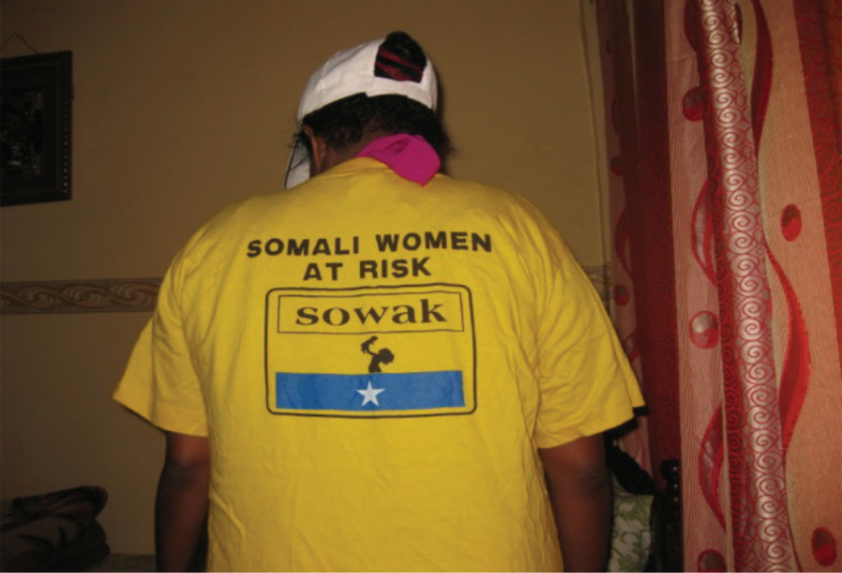
Female refugees continue to suffer with limited female police officers and hesitancy to seek formal help, a lack of data permitting adequate response and prevention of violence against women, limited representation in community committees, and limited access to information and language barriers (Ndirangu and Atuhaire, 2020). In particular, the confinement of sufferers of violence together with their perpetrators and a lack of privacy makes remote data collection challenging (ibid). Meanwhile, language barriers limit refugee access to information, increasing refugee vulnerability to Covid-19 as well as local violence and discrimination. A lack of knowledge of English or Swahili meant that refugees often didn’t receive first-hand or timely information on Covid-19.
In a RefugePoint survey conducted in August 2020, refugee households struggled with initiating new income-generating activities, in most part due to a lack of capital. Household incomes were described to be stabilized by a higher number of household members engaging in income generation. Rent support was described as the highest need (over 65 percent of refugee respondents), followed by food needs (over 15 percent) and medical needs. A common strategy for refugee households outside of NGO support was a reduction in meal intakes (over 60 percent of (non-beneficiary) refugee respondents). Over 20 percent of survey respondents relocated between April and August 2020, in part due to security conditions, but also due to unaffordable rents, lack of amenities, or lack of space (indicating increased numbers of households co-habiting).
The self-reliance of refugees has been challenged by the various socio-economic shocks as a result of the pandemic, leading to a decline in incomes (IRC, 2021) and ‘deteriorating’ household situations (RefugePoint, 2020). Whilst many poor households in Kenya diversified informal activities (Zollmann et al., 2021), refugee households have struggled with a lack of access to capital. As indicated by RefugePoint’s survey (see Box 2), refugees relied on greater numbers of income earners and relocation or co-habitation in efforts to meet food and rent needs, leading to various strains and stresses at the household level (including child care issues and risk of GBV). Refugees were also described to be reducing meals, selling household assets, and facing eviction by landlords (IRC, 2021). In September 2020, the FIND survey indicated that a quarter of refugee households were in fact evicted from their homes and debts to landlords had escalated to a median of $130 (IRC, 2021). Households that were unable to meet needs were recommended to move to the camps.
Symposium Insights
Towards a deeper understanding of the experience of the Covid-19 pandemic in refugee communities in Kenya over 2020–2021, and local coping strategies, an online symposium was organized by Dr Holly Ritchie and Julie Zollmann, sponsored by Tufts University.¹² The symposium (and pre-symposium discussions)¹³ aimed to distill evolving lessons learnt from researchers, organisations, civil society groups and donors working in marginalized urban refugee communities in Kenya. These lessons learnt included locally-led initiatives, successful interventions and innovative use of technology that have enabled refugees to navigate lockdowns, restrictions and socio-economic shocks, and permit the development of local coping strategies. Persisting barriers and obstacles that were shown to hinder the development of refugee self-reliance and resilience were discussed, especially related to gender. Insights may be particularly crucial as refugee and displaced communities negotiate future humanitarian crises with shocks of climate change and increasing pressure on local resources.¹⁴ Participants included UNHCR, Kenyan NGOs, community activists, researchers, donors, and academics.
Keynote Presentations: Appreciating Multi-level Shocks and Grassroots Dynamics
At an overarching level, Julie Zollmann drew attention to Tufts University’s research on multi-level shocks and vulnerabilities experienced by refugees in Kenya. Based on the university’s Finance in Displacement (FIND) study, Zollmann suggested four ways that the pandemic affected urban refugees differently to low-income Kenyans. First, refugees appeared to face a higher risk of eviction, with over a quarter of refugee respondents evicted from their housing (sometimes with assets locked inside) compared to negligible numbers amongst non-refugee respondents in a parallel study. Second, there was a drop in remittances received by refugee households. Remittances were an important source of income for a number of refugees, and their absence put some families into crisis. Remittances helped some respondents to get back on track in the recovery period. Third, support agencies closed their doors, and some households were told to move to the camps, a serious threat to many who had fled the camps, particularly female-headed households that fear gender-based (social) restrictions in camp environments (Ritchie, 2014). Finally, many refugees were moving through the crisis with ‘low capacity [social] networks’, in which some communities—especially Burundian and Congolese—consisted of a large number of low-income earners who quite quickly ‘exhausted’ horizontal risk-sharing abilities. Meanwhile, Somali households were able to draw on ‘higher capacity financial nodes’ through the clan network.
From an organizational perspective, Rose Kanana from RefuSHE¹⁵ elaborated on the practical experience of NGOs during Covid-19, and mixed challenges and lessons learnt. First, she underscored that aid agencies endeavoured to coordinate during the pandemic. Deliberate Covid-19 response meetings were held – including by UNHCR and the Urban Refugee Protection Network (URPN) – and NGOs endeavoured to avoid duplication of aid efforts in supporting refugees. In particular, the cash transfer intervention aimed to reduce shocks and allow vulnerable households to purchase food and other basic items. This was perceived as especially vital for existing ‘business clients’ to avoid the selling of assets. Secondly, Kanana indicated that NGOs such as RefuSHE had encouraged income-generating activities such as masks, soap and sanitizer production to boost household economies. Third, she highlighted that agencies endeavoured to shift to digital services for community clients for learning and ‘psychological first aid’ using Google Classroom, WhatsApp, toll-free lines and learning hotspots. As with most organisations, virtual interviews and assessments were also carried out with clients. To foster community participation in remote learning and interaction, training was also facilitated on the use of mobile devices for learning, with some smartphones issued to community clients. And fourth, to protect against the spread of COVID, RefuSHE established mini transit shelters for ‘at risk’ refugee adolescent girls, before permitting the girls to enter their main ‘safe houses’.¹⁶
Yet Kanana highlighted organizational challenges related to movement restrictions and the forced shift to remote support. In the absence of physical activities on the ground such as household visits, alongside increased refugee home confinement, she noted the rise in cases of GBV and mental health problems, often going unreported. Further to this, the diversion of all attention to Covid-19 meant that there was an erosion of gains related to (ongoing) mental health support and case management. She also emphasized the challenges of going virtual and achieving trust with new clients through online platforms. Some of the planned activities had to also be suspended where more than 15 participants needed to attend until physical gatherings were resumed. There were also barriers related to the lack of and use of smartphones. Further, NGOs were constrained by limited available donor funds to address local needs and scale activities.
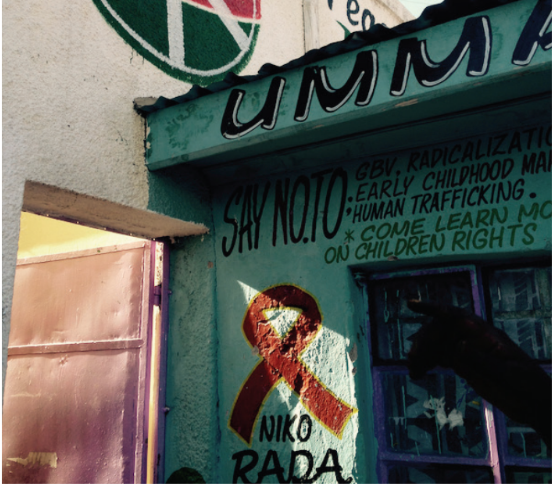
From a positive perspective, in reflecting upon the forced virtual operations/services, Kanana indicated that the pandemic has shown that the physical office space may not also be necessary and remote work can bring in elements of efficiency (although this point was later debated during the symposium by refugee-led organisations). The importance and potential of local organisations were also highlighted during the pandemic, and the need for community partnerships in delivering services. In particular, community structures such as women’s savings groups can be well-organized and efficient in identifying and profiling the ‘most needy’. The groups were able to do resource mobilization and support the distribution of resources, including food aid. Further, local organisations such as Umma Community Based Organization in Eastleigh helped in awareness raising on Covid-19, translating information and directives where possible into local languages.
At a community level, Kanana expanded upon refugee-owned challenges including the loss of refugee livelihoods (with most working in the informal sector) and savings groups redistributing saved funds, the inability to meet ‘basic survival needs’, increased stress (and notably, a lack of confidence and trust in sharing problems via phone calls), and increased cases of GBV. There were also barriers related to local fund-raising with the need for recommendation letters (as required by donors) and recipient lists. In terms of coping mechanisms, Kanana observed that some families shifted to co-habiting to share housing costs, but this both ‘compromised’ their quarantine arrangements and increased household risks of GBV, with larger mixed households under one roof. Finally, as indicated earlier, she highlighted that refugees have struggled to renew legal documents, especially with only virtual support by the Refugee Affairs Secretariat (RAS), and only ‘dire’ cases were being reviewed.
Bringing in community self-help, Dr Holly Ritchie briefly explored a small research case study in Eastleigh of Somali women refugees and the influence of mobile technology (Ritchie, forthcoming). In 2018, a ‘trial’ WhatsApp group was set up to facilitate project coordination with a refugee women’s group in Eastleigh (under a social enterprise, THRIVE¹⁷ ), despite initial limited smartphone ownership. The WhatsApp group proved popular, bringing both social and economic benefits, including facilitating the coordination of local (in-person) meetings and (group) business development, as well as permitting online social exchange. Whilst some women struggled to adopt and use the technology, the research highlighted the crucial role of women’s civil society groups in fostering participation in online platforms and digital life.

During the pandemic, the WhatsApp group became a ‘lifeline’ – bringing a crucial health and protection dimension to the platform. The WhatsApp group permitted relevant information dissemination and sharing of public health directives and videos (from Somalia), as well as vital updates on local security and social support (Ritchie, 2020). The women passed on ‘critical’ health messages to family members and neighbours. This not only enabled the women to access the correct health guidance, as ‘no-one [else] was giving us this information’, but also provided them with a point of contact for security and safety concerns, which was crucial given the increase in local police harassment and street violence. The study highlighted the notable role that mobile devices and remote coordination can play in hostile contexts and during times of crisis, reducing vulnerability and enhancing resilience through online support/exchange, and facilitating physical outreach.
Panel 1: Voices from Below – Towards a Deeper Appreciation of Refugee Experiences
In the first panel, representatives from three community organisations in marginalized districts in Nairobi offered critical insights on the refugee experience during the crisis. This included Bahati Ghislain from Kintsugi in Kasarani; Hamdi Abdi, Amina, and Anab from Thrive Sisterhood Group in Eastleigh; and Pastor Wilberforce from Bethel Church in Kasarani. Representatives elaborated on the shock of the lockdown and travel and movement restrictions, and expanded on the impact of the pandemic on everyday life and local coping mechanisms.
Bahati Ghislain from KINTSUGI, a refugee-led organization, highlighted various socio-economic challenges at the local level and notable innovations and initiatives by refugee groups. Ghislain emphasized that when the pandemic set in, they observed two major needs: people needed clear information about what was happening and how to protect themselves in their mother tongue, and people needed access to food as households suffered immediate losses in income. They highlighted that many community refugee members struggled to understand what was happening at the start of the pandemic, due to language and education barriers, with directives and social media messages in English. Kintsugi endeavoured to translate core messages and simultaneously make physical household visits. Refugees were not able to work, and even getting out to do shopping was putting people at risk: “We sought to fill both of those needs in our response”. There were also high levels of fear related to the virus itself.
“When I reflect on how our communities got through the crisis, I was so surprised by how people were able to creatively help each other, even when the NGOs were not around. I have seen several families come together and cook together: one makes ugali, one makes stew, one brings a drink. I’ve seen others do a merry-go-round with food.”
(Bahati Ghislain from Kintsugi)
In the immediate term, refugee groups shared food resources and innovated their own support systems, including creating a ‘merry-go round’ of basic food items:
“One member brings 10kg sugar, another unga, and so forth, and they passed collected items to one member each week. These are the things that communities did for themselves. They were all very efficient”.
Yet with prolonged food stress and trauma ‘from days without food’, there were cited to be increased suicidal cases. Beyond just reducing food and meals, Ghislain elaborated on refugees' extreme survival strategies of abstaining from eating for 2–3 days to save money and reduce consumption costs. To ease local stress and anxiety, KINTSUGI set up a call centre and also randomly touched base with vulnerable households to support them, guiding them to ‘get out’ and take exercise in the local community.
Ghislain added that many NGOs closed their offices, ‘when refugees needed them most’. Many different refugee-led organizations were appealing to NGOs to help local grassroots organisations deliver services, since they were ‘present’ in the affected communities and capable. Yet, speaking as many different CBOs, they were not ‘getting heard’. Kintsugi organized a consortium of refugee-led organizations in Kenya, of which Kintsugi is the Chair:
“We could then start to speak as one voice, and we now have even Oxfam and RefugePoint on board, helping us develop a strategic plan to intervene.”
The organisation managed to get in touch with diaspora situated in Canada and Europe and was successful in raising funds to support food distribution to 3,000 households, including in Eastleigh and Kasarani. Ghislain drew attention to the way community organisations could mobilise in crisis ‘in the absence of NGOs’, creating a consortium of local community groups in a ‘refugee-led organization network’:
“I think a major lesson [for us] is that Covid gave us a chance as leaders of community organizations to come together and have a more powerful voice and also demonstrate what we can do in our communities. I hope that will be one good thing that comes out of Covid.”
Hamdi Abdi, Amina and Anab from THRIVE Sisterhood Group¹⁸, a women’s refugee group in Eastleigh, drew attention to digital self-help through mobile devices and strategic outreach. Abdi highlighted how initially they thought that Covid-19 was not true or real. Yet guidance from the group’s WhatsApp was ‘really helpful’ in explaining what was happening and ways to protect themselves and their families, particularly as Eastleigh was then shut down physically, and movement was highly restricted. The women expanded on how their WhatsApp group aided with the dissemination of information on Covid, including hygiene practices. Information would be added in English and translated into Somali (or Somali directives would be shared from Somalia). As a community group focused on leadership, the women from the group endeavoured to pass information to women and to support community members where they could. In the absence of external NGO support, the women drew attention to how they mobilized to assist in local community emergencies such as women going into labour at night, and supporting cases of household breakdowns, divorce, and even GBV, referring such cases to relevant CBOs. They also suffered constraints on work with arbitrary police arrests, but they were able to support each other as a group (remotely) and meet in person (in small groups). To keep working was also perceived as important as a way of ‘keeping busy [and reducing stress],’ and they started to use their phones to coordinate the preparation of scarves and home-made products. For marketing, they would take a photo of the finished product, and group members would help find a client and organize the delivery: “Getting to digital marketing is a longer journey [however]. Some challenges have been that many don’t know how to use the phone.”
“There were so many needs [amongst refugees]. Their livelihoods were mostly cut off; many were isolated. They [refugee women] were spending more time at home, sometimes with men who also felt frustrated by their livelihoods being disrupted. The UNHCR was also closed, so it seemed there was nowhere to turn [in emergencies…]. WhatsApp was able to fill in the gaps. When there were cases of domestic violence, they could refer members to a local CBO for help…"
(Hamdi Abdi, Thrive)
Pastor Wilberforce from BETHEL CHURCH in Kasarani highlighted the importance of community action and support. Wilberforce added that many of their community members were extremely stressed by COVID, and they engaged in door-to-door visits to offer moral support, building on their ‘ongoing practices and being there as a church’. Pastor Wilberforce indicated that some ‘foreigners’ or migrant workers were trapped in Kenya when the crisis began. Several households defaulted on rent payments and were physically locked out of their houses, and the church was compelled to step in to negotiate on their behalf. For refugees, there was a great sense of ‘despair’:
“Refugee members were very stressed. They were losing hope. They said that things were hard before COVID, and now ‘we cannot see tomorrow’.”
“Bethel Church is very diverse. We have both Kenyans and refugees [in our congregation], but during COVID we also had some other foreigners who were just stranded here, unable to get home. For us, helping each other is not something that started because of COVID. It has always been part of our mandate. It just became more severe during COVID… I think a major lesson we learned is that we need each other. No person is self-sufficient.”
(Pastor Wilberforce, Bethel Church, Kasarani)
Panel 2: Voices from Above – Organizational Perspectives on the Frontline
In the second panel, representatives from four organisations working in refugee districts in Nairobi offered critical insights on refugee challenges during the crisis and interventions from an aid agency perspective. This included Jared Owuor from Samuel Hall, Meshack Mwololo from UNHCR, Zedekiah Adika from Kituo Cha Sharia, and Ogle Dubow from Danish Refugee Council (DRC). Representatives elaborated on the unique experiences of refugees in their target areas and organizational response(s).
Jared Owuor from SAMUEL HALL¹⁹ emphasized that the pandemic exacerbated ‘existing’ refugee challenges, including a lack of access to credit and decent work. In urban refugee populations, cross-border business was cited to be a “bold and thriving trade,” particularly between Kampala and Nairobi, and Somalia and Nairobi. When these trading links and supply chains were disrupted, multiple livelihoods were affected, and there was no available social protection or strategic support for innovating and reconfiguring business models. Most of the aid responses instead were indicated to be ‘micro-level’ interventions. Beyond gaps in business support, these interventions did not also meet more nuanced needs related to vulnerable population groups, for example, those with disabilities and chronic illnesses or mental health issues. Meanwhile, Owuor criticized the efficacy of digital training with ‘insufficient support’ and questionable digital capacity at a local level.
“Even before the pandemic, refugees faced ‘unique’ challenges that are different to other vulnerable groups - including constrained access to credit and decent work - and the pandemic has exacerbated these difficulties with losses of income and livelihoods”
(Jared Owuor, Samuel Hall)
Meshack Mwololo from UNHCR²⁰ described how the aid community was ‘not at all prepared’ for such an extreme scenario, particularly with movement restrictions, and the adaptation of operations was initially challenging. In line with UN recommendations, they put all normal activities on hold and re-prioritized programmes to redirect efforts towards Covid-19 support. They then coordinated the pandemic response among NGO partners, including ongoing support to a 24-hour toll-free mental health hotline that was set up in 2019 – described as playing an ‘instrumental role’ during the pandemic. To support access to Covid-19 information, UNHCR was able to translate key government messages into local languages and disseminate messages to vulnerable households through NGO partners. They also facilitated the distribution of care kits through NGOs, including essential items such as soap and masks, in addition to providing needy households with cash assistance. To meet high local demand for hygiene products and masks, they further supported relevant refugee enterprises through cash for work initiatives²¹. Meanwhile, in response to the spike in GBV cases, they developed targeted messaging and facilitated access to designated safe shelters for survivors (in coordination with UN Women and UNFPA). Yet they bemoaned the insufficient availability of funds for urban refugees and the difficulty of reaching vulnerable households with the scattered nature of urban refugees (in addition to barriers with M-Pesa for facilitating cash assistance²² ).
Zedekiah Adika from KITUO CHA SHARIA²³ highlighted various legal challenges (with Covid-19 restrictions), the exclusion of poorer/refugee groups, and the scarcity of services and resources. With mixed information at a local level, Adika indicated that the pandemic generated ‘fear and panic’ amongst people. In Mombasa, Adika indicated numerous impacts of the restrictions on Kituo Cha Sharia’s own work, including having to stop all activity in prisons as they became out of bounds to the public. They had to suspend large community meetings (limited to under 15 people) and in-person court processes. During the main lockdown (March to June 2020), consultation and interview processes were shifted online, although most clients did not have their own smartphones. With the difficulty in accessing devices, legal clients preferred to come to the office and use the computer facilities for remote court processes. As chair of a civil society network at the coast, with a subcommittee focused on Covid-19, Adika elaborated on the various physical challenges, including the lack of water points in low-income settlements and the lack of sufficient/affordable isolation facilities, with the government initially charging for mandatory quarantine following a positive Covid-19 test. To minimize the marginalization of vulnerable groups, Kituo Cha Sharia volunteered to support the equitable government delivery of Personal Protective Equipment (PPE) and distribution of food baskets.
“During the pandemic, a major challenge was expired documentation of refugees and the suspension of registration for new arrivals. For example, locally we have had up to 600 refugees arriving from crisis regions such as Tigray…COVID should not be an excuse for local authorities to disrespect refugees”
(Zedekiah Adika, Kituo Cha Sharia)
Yet in the ‘shadow of the pandemic’, with little public scrutiny, there has been increased hostility towards refugees, with various illegal acts such as the eviction of refugee businesses, destabilizing the refugee community²⁴. Refugee communities have also suffered with expired documents, the suspension of registration for new arrivals, and inhibited access to health care. Civil Society groups have faced a lack of access to resources to provide sufficient grassroots support, for example, food baskets or cash.²⁵
Ogle Dubow, the urban area manager at DANISH REFUGEE COUNCIL (DRC), echoed earlier points and highlighted that the pandemic has exposed and accentuated persisting refugee vulnerabilities. This includes challenges related to urban mobility, access to finance, safety, mental health, and legality/ID issues. He criticized the crisis response, which led to a shift away from other urgent needs – including other health campaigns, education and the maintenance of public facilities, including water – as all attention was diverted to curbing the spread of Covid-19. DRC conducted Covid-19 awareness campaigns through ‘pilot’ internet Hot Spots (with two points installed in Eastleigh). Clients could also access internet and online information through these hubs. To support existing beneficiaries, DRC facilitated cash transfers to help with urgent rent and food needs.²⁶ DRC also provided enterprise support for (limited) existing small-scale businesses, including through grants and coaching on ‘best business’ practices using an online platform, ‘MSHULE’ (‘online school’), started in 2019. Functioning with both smartphones and analogue phones (through SMS messages), the platform was deemed ‘useful’ in reaching beneficiaries remotely, with 600 women targeted from Self-Help Groups (SHGs). Dubow felt that coordination between NGOs was ‘generally insufficient ’, however, and did not extend beyond normal exchange/relations. Yet he admitted that NGOs also assumed that the crisis would end sooner.
“The pandemic has shone a bright light on persisting refugee vulnerabilities – including urban mobility, access to finance, safety, mental health, and legality/ID issues”
(Ogle Dubow, DRC)
Appreciating Unique Challenges Faced by Refugees During Covid-19
As with other low-income populations in the city, refugees have been deeply affected by the pandemic restrictions on movement and trading, and the loss of livelihoods. Yet the crisis has drawn into sharp relief the fragility of the refugee socio-economic situation, with few livelihood opportunities and limited options for re-settlement or return (IRC, 2021). Refugees struggle with legality issues, uncertain and inconsistent work, and ‘cost-prohibitive documentation related to refugee status’ (Tufts University 2021). Whilst refugees have demonstrated varying degrees of resilience (RefugePoint, 2020) influenced by wealth, networks and ethnicity, the following ‘unique’ challenges capture some of the various stresses experienced by urban refugees:
- Refugees suffered education, language and digital barriers inhibiting (timely) access to information on COVID-19 and self-protection measures, particularly older and less literate groups.
- Due to their refugee status, refugees were largely excluded from government assistance (food baskets/cash support), for example through schemes such as Ilua Jamii (Uplift the Community).²⁷
- On a legal level, the downscaling and temporary closure of the Refugee Affairs Secretariat (RAS) office has led to administrative delays in processing refugee licenses and permits, resulting in expired refugee documents and police harassment.
- At a community level, refugees have faced increased local hostilities, with shop/home evictions and unwarranted police intimidation and violence.
- With constraints on livelihood activities and little access to formal credit (and ‘social credit’), refugees have faced high levels of food insecurity and an inability to pay rents.
- Whilst Kenyans have responded to the crisis by returning to family in the rural areas or receiving food baskets, refugees suffer limited social/family networks beyond the city, constraining potential relocation or remote family support.
- In terms of gender-based impacts, increased cohabitation and financial and food pressures have led to significant mental health issues and an increased risk of GBV in refugee households. In particular, women have suffered additional stress due to the higher burden of care.
- Refugees have also experienced compromised access to health care, with National Health Insurance Fund (NHIF) cards only covering limited services for refugees.
Reflections and Lessons Learnt
Urban refugee communities in Kenya have been hit extremely hard by the fallout of the pandemic, exposing existing refugee vulnerabilities and exacerbating refugee fragility in a challenging and increasingly hostile environment. The continued uncertainty of refugees’ status, low trust by Kenyan people, and refugees’ lack of rural networks and opportunities have inhibited the deployment of ‘Kenyan’ coping strategies (Appendix 1), including the diversification of incomes, the use of social finance and engagement in subsistence agriculture (Zollmann et al., 2021).
From an assistance perspective, NGOs have struggled with movement restrictions and the diversion of all attention and programming to Covid-19, with a loss of momentum and disruption to other ongoing refugee projects and support. There has been constrained access to refugee communities, curtailing physical support and home-based visits and follow-ups. NGO responses have included short-term cash assistance to vulnerable refugee families (through M-Pesa) as they have grappled with the shocks to livelihoods, enabling families to meet food and basic needs, but deeper support has been absent. There have been limited resources available for NGOs to provide significant-scale assistance efforts to vulnerable communities. Continued and additional support to issues such as GBV and mental health has been especially insufficient.
With aid efforts and resources redirected to support Covid-19, from a gender viewpoint, there has been a concerning reduction in access to reproductive health services and protection. This has affected response to intimate partner violence and SGBV; maternal needs, increasing risks of maternal mortality; and support for unplanned pregnancies, sexually transmitted diseases, and complications from harmful traditional practices (Ndirangu and Atuhaire, 2020). Access to social services has further affected reporting of GBV/SGBV incidents, particularly amongst those refugees without government-issued identification. Meanwhile, for new refugees and asylum seekers, the government temporarily closed the land borders, with impacts on those seeking humanitarian support. Whilst international and local organisations have endeavoured to support vulnerable groups such as refugees, aid responses have been challenged by movement restrictions and staff working from home.
Pivotal Role of Local Community Organisations and Grassroots Initiatives
In the absence of sufficient NGO/external support, local community-based organisations have proved instrumental in stepping in to support local livelihoods²⁸, daily needs and food security, with many urban refugees relying heavily on such cases of ‘solidarity’ (Omata, 2020), as emphasized during the symposium. This experience has raised the visibility of grassroots organisations and highlighted the importance of such local-based groups as key ‘first responders’ on the ground. In particular, church-based networks and refugee-led groups in Nairobi have endeavoured to collect food and cash donations; whilst in Somali refugee communities, vulnerable members have drawn on clan and extended family support. With external assistance, the use of digital devices has been reported to also play a role in critical information dissemination about COVID-19 (and health guidelines) amongst refugee groups (Betts et al., 2021), as well as in security updates and social support (Ritchie, forthcoming). Where existing and active, local CBOs have been instrumental in delivering assistance, providing connection, and in being physically present to support communities even when more institutional forms of assistance disappear.
Refugee Self-reliance, Networks and Gender
In appreciating the impact on refugee self-reliance, NGOs indicated that the pandemic really demonstrated that ‘so much needs to still be done’, with vulnerable refugee households moving into extreme levels of poverty and food insecurity, and few safety nets available. Whilst some refugees received cash assistance from NGOs to deter them from selling assets and others benefited from lines of credit from shopkeepers, refugees are described as more vulnerable now and indebted, and their economic situations are ‘still nowhere near pre-pandemic times’.²⁹ Notably, refugee social networks, a key dynamic in risk reduction and access to (informal) financial support, are limited by cultural and linguistic barriers in addition to local hostility, as elaborated in Box 3 (Tufts University, 2021). Refugee women tend to be further isolated, however, constraining the development of relationships due to domestic burdens and gender norms and expectations.
Going Remote and Evolving Influence of Technology and Innovation
Technology has played a significant role at an organizational level, with new online coordination and inter-agency exchange, virtual training/learning and psychosocial support through Google Classroom, WhatsApp and hotspots; and community monitoring. Yet UNHCR staff highlighted that most technology used by refugee agencies actually ‘existed before the pandemic ’, including the refugee hotline and initiatives such as NSHULE, although the introduction of hotspots by DRC is described as notable. From Kituo Cha Sharia’s perspective, however, the pandemic has been described as a ‘technological game changer’ with the introduction of remote legal proceedings and access to higher-level legal support and training.
Informal local networks can reduce refugee risk and permit access to reciprocal exchange and support, including loans, gifts, remittances through friends’ M-Pesa accounts, business support and potential membership in a local savings group. ‘Community-driven’ organisations, including faith groups and refugee-led groups, can facilitate access to financial and non-financial services, providing moral support and fostering ‘financial health’. Expansive local connections, strong community networks, and the ability to leverage new and existing skills are argued to be essential components for refugees achieving ‘financial success’.
Source: Tufts University (2021)
Technology has also been notable within communities, with refugees' own use of smartphones and Apps such as WhatsApp for information, security, and protection. Yet beyond physical access to devices, social factors are crucial to appreciating the digital inclusion of vulnerable groups, including the participation of women, the disabled and elderly in digital devices, and the scope of local skills and abilities to actually use devices, or ‘digital literacy’ (Ritchie, forthcoming). At a local level, mobile devices/digital tools can boost vital social solidarity and motivation of refugee groups, and permit economic coordination. They can also facilitate the sharing of public health and security information for refugee health and self-protection, and the countering of fake/false news. The interaction on mobile devices requires attention and represents an opportunity for fostering diversified livelihoods and local resilience.
Yet technology did not displace in-person interaction, and in some respects pushed assistance burdens back to communities. While NGOs and UNHCR often lauded their own moves to remote and digital work, refugees experienced office closures as the removal of assistance, as an absence. Despite help lines and the new provision of hotspots and online support, the majority of refugees fell outside of direct project assistance and felt abandoned and afraid. Knowing that community members were isolated and suffering alone, without access to assistance, refugee groups and churches took it upon themselves to physically visit and connect with members. A women’s support group in Eastleigh used their phones to coordinate in-person production and marketing and small group meetings, which were still essential for them to cope with the strains of the crisis.
Learning Lessons at a Macro and Micro Level
In Kenya, the Covid-19 crisis revealed the fragilities and vulnerabilities that result from broader processes of growth that are not inclusive (Zollmann et al., 2021). It is clear that in such crises, globalization and formalization both present ‘risks and fragilities’, as workers are impacted by disruption to global and local value chains, and the loss of formal jobs creates financial uncertainty without social protection. In negotiating future crises and building back more resilient and inclusive economies, a number of recommendations have been proposed, including cash transfers for the most vulnerable; fee waivers for secondary schooling for low-income families; improving protection schemes for wage earners; improving access to digital credit; reducing gender inequalities (with second-chance schooling for girls who drop out); and investing in ‘social protection machinery’ (Zollmann et al., 2021).
Taking a more grassroots perspective, participants in the symposium highlighted a number of local lessons learnt in vulnerable refugee communities. Online platforms and social media represent an opportunity for service delivery, coordination, and strengthening livelihoods. They also present an opportunity for improved and systematized reporting and data on GBV, although there remain concerns on the safety of their use and confidentiality (Ndirangu and Atuhaire, 2020). Yet despite the importance of digital and remote communication, in crisis situations, personal connections and in-person physical support are still vital for facilitating on-the-ground support.
In the post-pandemic recovery phase, NGOs recommend engaging in studies to better understand evolving local dynamics at a household and community level to address short-and-long-term needs, scale up economic recovery efforts, and invest in local preparedness for emergency scenarios in urban communities. Arguably, the trend towards localization also requires further thinking. Local CBOs are clearly crucial for community development and resilience, and the pandemic has created a new opportunity for community structures to play a greater role in their own projects and initiatives.
Yet this raises several questions: What does it mean for future power dynamics with NGOs? And how can large organisations better support grassroots organisations in the future? The aid community recognizes the presence and potential of such groups, including Self Help Groups, and the need for greater autonomy and access to funds. The formalization of such groups is now a crucial first step in their recognition, alongside strategic capacity development.
Footnotes
References
Affoum, N. and Recavarren, I.S. (2020) ‘Child marriage: the unspoken consequence of COVID-19’, World Bank Blog, Accessed on 1 September 2021 at: https://blogs.worldbank.org/developmenttalk/child-marriage-unspoken-consequence-covid-19
Ahmed, S., Simiyu, E., Githiri, G., Sverdlik, A. and Mbaka, S. (2015) ‘Cooking up a storm, Community-led mapping and advocacy with food vendors in Nairobi’s informal settlements’, IIED Working Paper June 2015. Accessed online at: https://pubs.iied.org/sites/default/files/pdfs/migrate/10734IIED.pdf
Aidi, W., Fatai, R. and Karingi, S. (2020) ’Covid-19 and migrant remittances: Supporting this essential lifeline under threat ', Brookings Institution, Accessed on 1 September 2021 at: https://www.brookings.edu/blog/africa-in-focus/2020/10/26/covid-19-and-migrant-remittances-supporting-this-essential-lifeline-under-threat/
Amnesty International (2020) Refugee-led initiatives are stepping up and need to be supported during the Covid-19 response and beyond, Nairobi: Amnesty International
Betts, A., Easton-Calabria, E. and Pincock, K. (2021) ‘Localising Public Health: Refugee-led organisations as first and last responders in COVID-19’, World Development, 139: 105311
Fernandez, M.A. (2021) ‘Beyond health and wealth: the impact of COVID-19 and anti-COVID-19 measures on the narrative dimension of human life’, Academia Letters, accessed online at: https://www.academia.edu/45624195/Beyond_health_and_wealth_the_impact_of_COVID_19_and_anti_COVID_19_measures_on_the_narrative_dimension_of_human_life?email_work_card=thumbnail
IRC (2021) Covid-19 and Refugees’ Economic Opportunities, Financial Services and Digital Inclusion.
Ndirangu, G. and Atuhaire, P.K. (2020) ‘The Gendered Impact of COVID-19 among Ugandan and Kenyan Refugees’, Women in International Security Policy Brief, Accessed on 1 September 2021 at: https://www.wiisglobal.org/wp-content/uploads/2020/11/20th-WIIS-Policy-Brief-11-1-20-v3.pdf
Omata, N. (2020) ‘Many refugees living in Nairobi struggle to survive because of COVID-19’, The Conversation, Accessed on 1 September 2021 at: https://theconversation.com/many-refugees-living-in-nairobi-struggle-to-survive-because-of-covid-19-138455
Orchid Project (2020) Impacts of COVID-19 on female genital cutting, Orchid Project: UK
Pape, U. and Delius, A. (2021) ‘Livelihoods of Kenyan households bear the brunt of the Covid-19 pandemic’, Africa Can End Poverty (World Bank Blog), Accessed on 1 September 2021 at https://blogs.worldbank.org/africacan/livelihoods-kenyan-households-bearbrunt-covid-19-pandemic
Peterman, A., Potts, A., O’Donnell, M., Thompson, K., Shah, N., Oertelt-Prigione, S., and van Gelder, N. (2020) ‘Pandemics and Violence Against Women and Children’, Working Paper 528, Centre for Global Development
RefugePoint (2020) Covid-19 Impact Report, March 2021
Ritchie, H.A. (2014) ‘Rethinking Entrepreneurship in Fragile Environments: Lessons Learnt in Somali Women’s Enterprise, Human Security and Inclusion’, Occasional Paper #9, IS Academy on Human Security in Fragile States, The Netherlands: Wageningen University.
Ritchie, H.A. (2018) ‘Gender and enterprise in fragile refugee settings: female empowerment amidst male emasculation, a challenge to local integration?’, Disaster Studies
Ritchie, H.A. (2020) ‘Gender and ICTs in fragile refugee settings: from local coordination to vital protection and support during the Covid-19 pandemic’, Centre for Frugal Innovation in Africa Blog, Accessed online at: https://www.cfia.nl/news/gender-and-icts-in-fragile-refugee-settings-from-local-coordination-to-vital-protection-and
Ritchie, H.A. (forthcoming) ‘An institutional perspective to bridging the divide: The case of Somali women refugees fostering digital inclusion in the volatile context of urban Kenya’, New Media and Society.
Shupler, M. and Pope, D. (2021) ‘Kenya’s COVID-19 lockdown is forcing people to make difficult food and household energy decisions’, The Conversation, Accessed online at: https://theconversation.com/kenyas-covid-19-lockdown-is-forcingpeople-to-make-difficult-food-and-household-energy-decisions-158449
Tufts University (2021) ‘The Journeys Project: 8 Months of Fresh FINDings Newsletter’, Newsletter, The Fletcher School, Tufts University.
UN Women (2020) The Shadow Pandemic: Violence against women during COVID-19, Accessed on 1 September 2021 at: https://www.unwomen.org/en/news/in-focus/in-focus-gender-equality-incovid-19-response/violence-against-women-duringcovid-19
UNHCR (2020) Urban refugees struggling to survive as economic impact of COVID-19 worsens in East, Horn and Great Lakes of Africa, Accessed on 1 September 2021 at https://www.unhcr.org/news/briefing/2020/5/5eccbfec4/urban-refugees-struggling-survive-economic-impact-covid-19-worsens-east.html
UNOCHA (2020) Kenya Situation Report Oct 2020, Accessed on 1 September 2021 at https://reports.unocha.org/en/country/kenya/
World Bank (2021) Socio-economic Impacts of Covid-19 in Kenya, Nairobi: World Bank.
Zollmann, J., Ngweno, A., Gachoka, A., and Wanjala, C. (2021) Surviving 2020: Lessons on Resilience from Kenya’s Covid Diaries, June 2021. Nairobi: FSD Kenya
Appendix 1: Background on Covid-19 in Kenya
A first lockdown was instituted in March 2020, easing in early July.³⁰ With an escalation in infections, a second lockdown was instituted from March to May 2021. In terms of the economic shock, one study described ‘four seasons of Covid Shock’ over 2020, with ‘full alert’ and an abrupt halt to major economic activity in March to April and a ‘crisis’ in June as businesses were lost and unemployment rose (Zollmann et al., 2021). By September to October, there was a ‘modest recovery’ with some resumption in employment and employment, for example casual labour at construction sites but ‘divergence’ in recovery with some groups reviving whilst others slipped further behind. Urban workers sought work again but at reduced salaries or ‘informal wage rates’. A ‘new normal’ was observed by December 2020 as recovery leveled out and people became accustomed to persisting low-demand conditions, and outcomes continued to diverge between those hit hardest and those able to invest in recovery (Zollmann et al., 2021).
Over 2 million people are reported to live in Nairobi’s informal settlements, of which 85 percent have been indicated to be food insecure before the crisis, as a result of poverty and unemployment (Ahmed et al., 2015). Surveys in the capital indicate that the economic shocks from the pandemic have led to increased food insecurity (influencing the quality of food consumed and quantity) and necessary shifts to cheaper cooking fuels, influencing domestic and local air pollution (Shupler and Pope, 2021). From a social perspective, Save the Children highlights ‘increased protection’ risks for children of low-income households as families struggle to meet basic needs, with children forced to beg, families leaving young household members alone, or families resorting to early marriage for girls.³¹ The World Bank (2021) indicated that Kenyan families also received household-level support in the form of domestic remittances, with the number of households receiving such support tripling over the pandemic (March 2020 - March 2021), although for 50 percent of households receiving funds before the crisis, remittance amounts had reduced. Yet whilst there may have been a short-term decline in remittances as households adjusted to the new reality, according to the World Bank, remittances remained remarkably resilient, with remittances to Sub-Saharan Africa in fact increasing by 2.3 percent in 2020.³² The Kenyan Central Bank also moved to facilitate remittance processes as well as increase the permitted size of digital wallets.³³
Households struggled to find various ways to cope with the crisis. Major coping strategies reported have included using savings (reaching over 40 percent in January-March 2021) and cutting food consumption. Later, as savings were being depleted, households also reduced non-food consumption. Later, households also engaged in additional income-generating strategies, with over a quarter using this strategy by April-June 2021. In addition to government relief money, social protection schemes included those under Inua Jamii. Yet both government and non-government played only a small role in helping families through the crisis (less than 4 percent received support) (World Bank, 2021). Cash support under the Inua Jamii was also less than expected (36 USD instead of 109 USD) and erratically dispersed (Zollmann et al., 2021). School closures over the lockdowns dramatically affected children’s access to education, and government school students had to rely on ‘self-directed learning’ over 2020 (Pape and Delius, 2021). Not only did children fall behind, but many dropped out altogether, particularly teenage girls who became pregnant. Parents worried that the idle time led to an uptick in drug use among their teenage children. Yet routine health services for the main population remained accessible throughout the pandemic.
Overall, the pandemic had a ‘strong impact’ on Kenyan livelihoods, and whilst there are now indicators of some recovery in employment and income, the ongoing use of coping mechanisms underscores that many households are still struggling with the effects (Pape and Delius, 2021). In the FSD study, trends and patterns in recovery differ by geography; however, Nairobi is bouncing back quicker than Mombasa (reliant on export activity), and some rural regions are doing better than others (due to agricultural seasons) (Zollmann et al., 2021). Formal finance has aided investors in the recovery phase – drawing on savings and borrowing – but this was a less used strategy for consumption, with many endeavouring to protect their savings. Instead, households employed ‘vibrant, informal coping strategies’ which proved to boost resilience. Three strategies were highlighted, including, firstly, drawing on ‘diversified, informal income streams’. Individuals who lost formal wage work suffered more than those in the informal sector who could diversify. Secondly, ‘social finance’ was highlighted, i.e., flexibility from landlords, credit from shopkeepers, and chamas (savings clubs). Thirdly, ‘subsistence agriculture’ has played a significant role in allowing ‘smooth consumption amid income volatility’. Households engaged in small-scale farming that requires limited investment with modest outcomes were able to sustain the family through difficult times, easing stress and even supporting urban kin (Zollmann et al., 2021). Yet larger-scale farmers experienced more challenges with market closures and changes in demand. For example, those who sold to vendors supplying to schools suffered from their closure.