
Afghanistan to Greece: Two young women travel with their parents via Pakistan, Iran, and Turkey, every transaction accounted for.
Written by: The Journeys Project
On July 17, 2016, we conducted an interview with two young women inside their tent at Piraeus Port, an unofficial and temporary camp at the main port of Athens where, at one point, thousands of asylum seekers lived in tents under bridges or in warehouses. We met the women while they were washing carpets at one of the water spouts set up by aid agencies. Before the end of the summer, Piraeus Port would be officially evacuated by Greek authorities, and all those living there were either relocated to camps outside of Athens or had voluntarily left to find accommodations on their own. Understanding the circumstances of inevitable evacuation, the sisters were expecting to leave the port for a camp the following day.
We spoke with the two sisters, Sam (24) and Sim (21), over the course of an afternoon. The interview was conducted in Farsi and English. The women graciously served us tea inside their small tent that was tidy and neatly arranged and clustered with many other tents in a particular block of friends and relatives, covered by a large tarp. A multiple-outlet plug with an extension cord led to a power source near the adjacent warehouse through which the girls had set up a fan, charged their phones, and boiled water in an electric kettle for tea. While inside the tent, a young girl of about seven or eight joined us, drawing pictures with the pencils and paper we brought in hopes that our interviewees would draw maps.
We began the interview speaking with Sam, but the younger and more outgoing Sim took over, telling the majority of the story about their journey from Afghanistan to Greece. The sisters and their family are Shia Tajiks from Afghanistan. They are both unmarried and well-educated, and appeared to be from an upper-middle socioeconomic class. The following story of their journey is told from Sim's perspective.
The term saraf refers to a money agent who may operate formally or informally. Sarafs perform a variety of services. They can transfer money from one party to another. They can also hold "in trust" deposited sums of one party to be later transferred to that same party or to another party (for example, a store, a friend, or a smuggler) based on the instructions of the depositor.
"We traveled here with our parents, our 14-year-old brother, and our seven-year-old brother. My eldest brother, who is 23, is in Sweden. My fourteen-year-old brother has psychological issues after witnessing a bombing in our neighborhood in Kabul.
"My family is educated. My father went to university in Moscow and was a military officer. My mother completed the tenth grade. My older sister was a language and literature teacher in Kabul, and I was studying to become a doctor. We never had financial issues—we survived the insecurity of the war, but we had to flee our home because my oldest brother had a personal clash with some people that made it dangerous for him to stay in Kabul. This ended up making our entire family unsafe. I cannot elaborate on what this was, but last Ramadan, my brother left Afghanistan. At that time, all of the borders in Europe were open, and he made it to Sweden. After he left, his enemies started to harass our family. We did not pay much attention to the threats originally, but about six months after his departure, it was clear that it was too dangerous for us to stay in our home.
"We sold most of our assets to afford the journey, except for some of my father's property in another town. My father used information from friends and word-of-mouth to choose a smuggler for the trip, and the smugglers told us which saraf [money agent] to use. The smuggler told us not to carry any money along the way. We gave all of the money we had to the saraf in Kabul—he would hold the money and release the payments to the smugglers along the journey. The smuggling network managed logistics for each leg of the trip. The combination of the name and account number we used for the money transfer interactions was called the 'ramz,' so every time a payment needed to be made, my father contacted the saraf, told him the 'ramz,' and the saraf would release the money to the smuggler. There are a number of different smugglers, all in the same network, each with a specific job. The journey to Iran cost $1,000 each for the six of us, and overall the entire journey to Greece cost about $3,500 per person. Now in Greece, we are completely out of money.
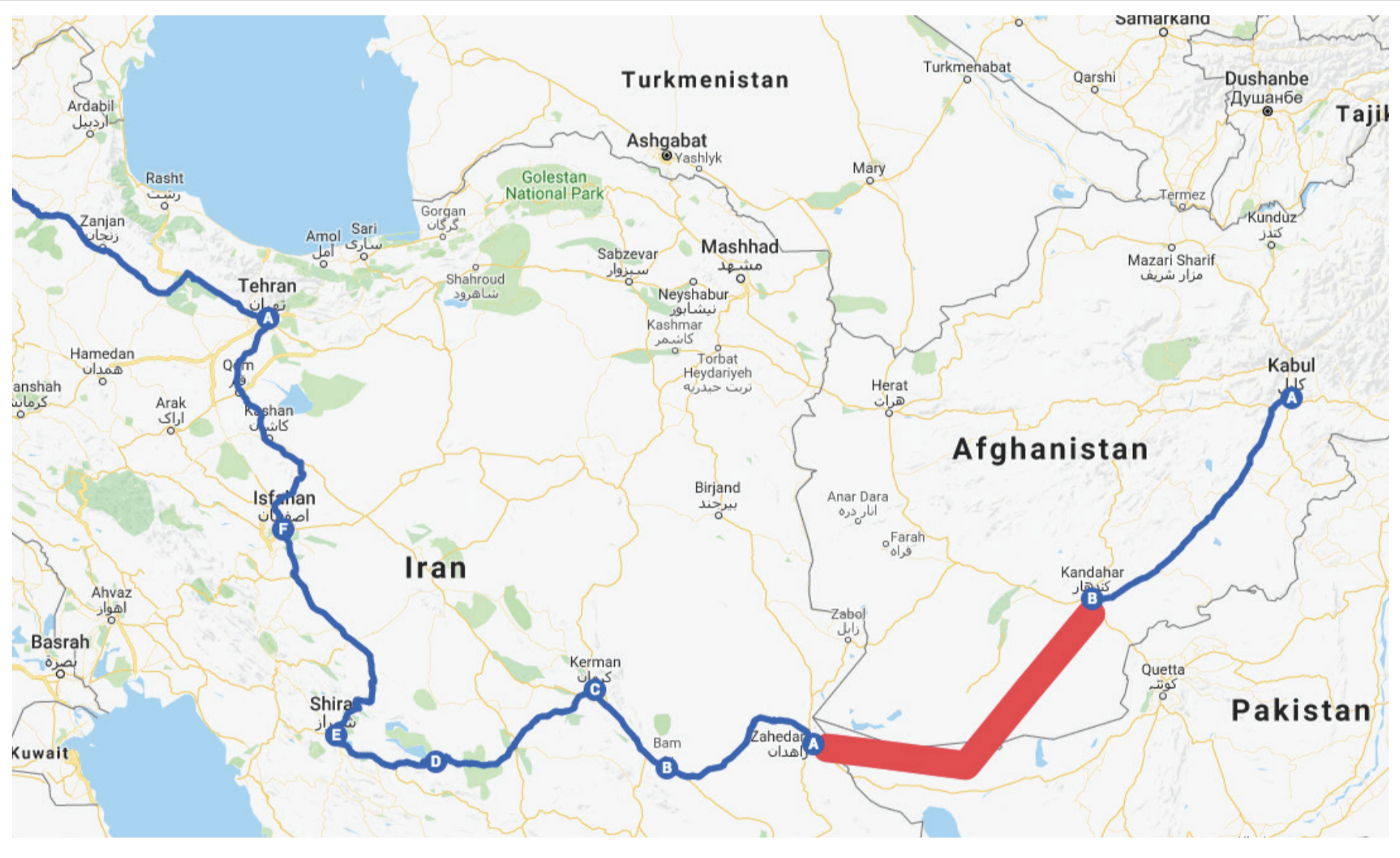
"We began our travels eight months ago during the winter. From Kabul, we traveled for 24 hours by bus, passing through Kandahar. We were very afraid because we heard that Daesh [ISIS] stops buses along the way looking for Shias passing through. We spent two nights in a border town, and then we made the journey across the border into Pakistan. This took about 28 hours, and we traveled sometimes by car and other times by foot. There were about eight families traveling all together, along with 13–14 single men. When we were in Pakistan, we were sometimes followed by the police, but once we reached the smugglers' safehouses, the police no longer bothered us. The safehouses in Pakistan belonged to families who had some connection to the smugglers. We had no food for the first night in Pakistan, and we had just enough cash on us to buy some bottles of water and cookies to give to the young children. The smugglers told us not to carry any cash at all because of thieves, and we were not allowed to leave the safehouses to try and access our money through the saraf.
"After spending the night, we departed at 8 a.m. to make the journey into Iran. This was a 13-hour trip, once again both by car and on foot through the desert. When we were in cars, we traveled in the back of large, open-top vehicles—every inch was packed, carrying 70–80 people. The young men sat around the perimeter of the vehicles, holding on for dear life, and the women and children sat towards the middle, clutching each other. The men sitting at the perimeter sometimes fall out of the vehicle and are left behind in the desert.
"We arrived across the border to Iran by 9 p.m. and slept in the desert that night. The next day at noon, the group was split up into smaller groups, each group going with a different smuggler. Sedan-sized vehicles came to pick us up and take us to Zahedan, the capital of Sistan and Baluchistan province in southeast Iran. We had to fit 14 people per car. The driver sat alone, and two people sat in the front seat— one in the seat and one on the floor. These seats cost more than the others. In the back seat, four people, usually women, sat in the seat, and four more sat at their feet. The trunk was reserved for young, single men. One young man would lie down in the trunk; the two would curl up into a 'sajda' position, the position of prayer. This journey took six hours, as we had to take breaks every couple of hours to give the boys in the trunk a break and to either change vehicles or change the license plates on the vehicles to avoid detection. The drivers of these vehicles were Baluch people, the local people who have ethnic ties to the Baluchi in Pakistan.
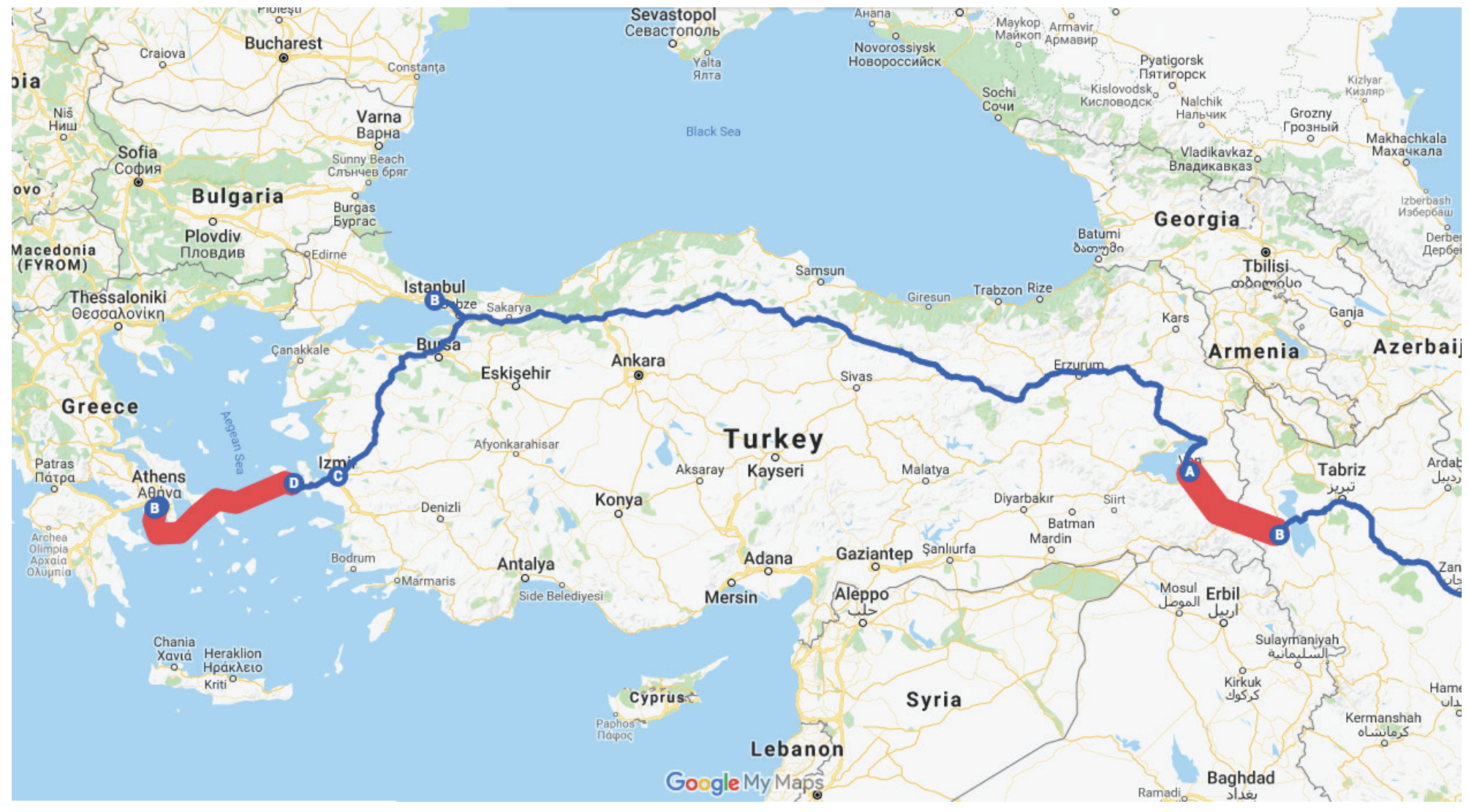
"We arrived at a safe house in Zahedan and crammed seven families in a dirty room of about 18 square meters. We departed the next morning at 5 a.m., this time heading towards Bam, Iran. We were in the same cramped setup in the car until we reached a desert area where the cars could no longer travel. The next leg of the journey was Bam to Kerman. The smugglers gave us an option to pay an additional $100 to fit three people on a motorcycle. While some families had enough money to agree to pay extra, our family did not, so we left some of our belongings that were too heavy to carry and walked for 30 hours. In the desert, we had no cell phone signal, plus the smugglers never allowed us to keep our phones on anyway to ensure there were no informants. This part of the journey was very difficult.
"When we finally reached Kerman, the journey across Iran became easier as we once again traveled by vehicle. We continued west towards Shiraz and stopped at Neyriz in Fars province. We were told to get out of the cars and wait under a bridge for different vehicles to come, along with dozens of other migrants. Within minutes of our arrival, the Iranian police came, threatening arrest, and started to beat the younger men. The smugglers spoke to the families and said that for an additional 1,500,000 ($35) rial per family, the police would let them go. We had no choice but to agree to this amount, and it would be added to our overall fees. It was clear that the smugglers and the police had a deal, and this was only the beginning of many scenarios that allowed the smugglers to exploit us for more money.
"From Shiraz, we traveled another fourteen hours north to Isfehan and eventually to Tehran. In Tehran we slept in small tents on the property of a house that was reserved for the smugglers themselves. We called this 'tent city' because the smugglers were in the large house looking over all of us refugees. Tehran was the next point at which all of the refugees were required to pay the smugglers, but we had arrived on a weekend, and the sarafs were closed, so we stayed there for two nights. At this point, since we were getting closer to Turkey, the smugglers were worried that the younger boys in particular would flee without paying them, so they had guards stay up to make sure that nobody left at night. They separated the men and the women. They had the single young men call their families and then would beat them so their families could hear and promise that they would make the payments.
"On Saturday morning, the sarafs reopened—we all made the required payments and then departed at 8 a.m. towards Urmia, a city that is about 55 kilometers by road to the Turkish border. At this point, we knew the chances of being caught by authorities would be greater, and it would be safer for us all to blend in with the local population—since we are ethnic Tajiks, we had a greater chance of passing off as an Iranian, whereas the Hazara people could be easily identified (and Hazara are more abused in Iran). We used buckets of water to wash ourselves and our belongings and tried to look presentable. To get to Urmia, we were finally able to sit normally in a car, with my dad in the front with the driver and the rest of us in the back, but we sped through back roads to avoid the police stations, and the driver told us to pray for our lives as we were moving too fast to feel safe. We reached our destination in Urmia by 6 p.m. and rested there before heading towards the base of the mountains that would lead us to Turkey.
"The mountains were snowy, and the area was inhabited by local villagers. At 10 p.m., we walked through the snow to get to the next safe house and prepare for the walk into Turkey— our feet were already soaked and freezing. The smugglers gave us a more substantial dinner of eggs and tuna to prepare for the difficult walk. We began walking at 1 a.m., and the smugglers told us it would take about 40 minutes to get to Turkey, but we had a feeling that the distance, made more difficult by the snow, would take several hours. They said that for another $100 per horse, the families could travel on horseback rather than by foot. Some of the richer families who had already been based in Iran could afford to get horses for themselves and their belongings, but our family could only afford to get one for my mother. After two hours of walking, the smugglers told us that we were moving too slowly and that the sun would start to come up at 4 a.m., increasing the likelihood that we would be caught—by their estimation, we were still three hours away. So our entire group, at this point utterly exhausted, walked back to the base of the mountain. This seemed like just another tactic to force the families to pay more to ride by horseback.
"We rested for an additional two nights to regain the energy needed for the difficult trek.
"We made another attempt at the journey across the mountain, this time starting at 8 p.m. After many hours of walking, we reached a point that was too steep for the horses, so all of the travelers, including my mother, started walking by foot, relying on the younger men to help drag us up (even if we were not blood-related, which would be unusual under normal circumstances). At the top of the mountain, the smugglers said that we had reached the Iranian-Turkish border and that they were not authorized to continue the journey into Turkey. Us travelers would have to walk down by ourselves, and Uzbek Afghan smugglers that were based in Turkey would meet us on the other side. My father led the way with the rest of the men and the women following behind. At this point, there were about 30 of us making our way down through the snow and ice. It had only been about ten minutes of walking downhill when we heard my father call out to inform the group that we had been caught by the Turkish police.
"The Turkish police gathered us together and had us wait under a cove, joining another group of migrants that they had caught earlier. Together there were about 70 of us. The police took us in two large vehicles to a nearby police outpost. The women with young children were taken inside, where it was heated, while the other weary travelers had to wait outside. We were all then moved to another area that had two small, dirty rooms where we could rest, but we were too cold, wet, and scared to sleep. It was 5 a.m., and the police had us each empty our personal belongings (money and cell phones) and sealed them in plastic bags labeled with our names. Soon, more police vehicles arrived to transfer us to another shelter. We were frisked once more and separated into two rooms, one for the men and one for the women and children, where we were crammed side by side to sleep for the night. The men had a bigger room so they were a little less cramped, but the women's room had heat.
"While we were finally in a sheltered area, there were many incidents throughout the night that kept us uneasy. Initially, we could hear the police harassing the men and beating some of the younger travelers. At one point in the night, one of the police came to the women's side to tell them that their commander insisted that a young woman named Mary join him for the night. Mary was a twenty-year-old traveling with her father and brother, trying to get to France where her fiancé had already fled. The police said they would deport her, her father, and brother back to Iran if she didn't agree. She stood up for herself and said that no matter what they threatened, she would not go with the commander. They finally conceded and admitted that it wasn't their commander but another policeman who was asking for her, so they left her alone. At 4 a.m., an Uzbek who was among the travelers woke up all of the men and started hitting them with their own belts, chastising them for not waking up for prayer. He said that he was from a group like Daesh and would slit their throats if they neglected their prayers. He made them stay outside in the snow until 9 a.m.
"During the seven days that our group waited in this police shelter, the smugglers that were supposed to have met us on the other side of the mountain kept visiting the police outpost and bringing cases of food and alcohol to bribe the police. Since they do not receive their payment until a leg of the journey is completed, it was in their interest to make sure the travelers were released so we could make it to our next destination. At this point, a new set of actors became involved in the smuggling deal—the Turkish mafia. A group, led by a tall man with light hair and green eyes, paid the police to release each of the travelers. The mafia had basically 'bought' us travelers from the police, and the only way for us to continue the journey was for us to agree to pay an additional $300 per person through the smuggler to give to the mafia. This was in addition to the $750 per person it was already costing us to cross into Turkey.
"The smugglers sent station wagons to transport us to the next destination, Van, in eastern Turkey, this time in groups of 14 per vehicle. We traveled for five hours and were in Van by midnight. In Turkey, we registered ourselves as refugees, but when we made the final payment to the smugglers, we asked them for a contact who would get us to Greece. We stayed overnight in Van with a family that was connected to the smuggling network and departed the next afternoon by bus to Istanbul. The bus tickets were paid by the smugglers (all part of the cost of operations).
"We followed the smuggler's instructions to take a taxi to Zaytoun Borno, an area of Istanbul where there are many smugglers. We met our smuggler and went to his house where we stayed for four days in his basement. The smuggler was Uzbek, as were all of the Turkey-based smugglers along the route we followed. From Istanbul, we took an overnight bus to Izmir, arriving by 6 a.m. and waiting until noon for the next smuggler. Then we were transported from Izmir to Çeşme, a small town about an hour away that is only kilometers away from the Greek island of Chios.
"We ate lunch and went to a grassy area on the shore where we were given life jackets and waited for the smugglers to blow up the rafts and insert wood panels for the passengers to sit. As we were waiting, Turkish police came and took all of the life jackets from the passengers, but left us alone. We went back to a wooded area near the shore and waited until 1 a.m. The smugglers told us we would make the journey to Chios but without life jackets. My family and the group of travelers with us refused, and we were transported back to a hotel in Izmir. This was the first of four attempts that my family and I made before successfully crossing by boat to Greece. On the second night, we were transported back to the shore, and we crammed 75 people in the raft. We were only in the water for 15 minutes and could feel ourselves slowly sinking when we were caught by the Turkish coast guard and told to turn back.
"On our third attempt, we went to the wooded area near the shore at 6 p.m. and waited all night for the Turkish coast guard to stop patrolling the area. By 8 a.m. it was clear that we had missed the opportunity, and the smugglers decided to change the embarkation point. We traveled by car to another location that was 30 minutes away. This location was further from Chios, whereas from the previous location we were able to see the Greek island. At 8 p.m., the sea was too rough for us to make the journey, so we slept outside waiting for the waves to subside. We finally set off the following night, and after half an hour, the motor on our boat failed. The smugglers used pins that my sister and I had in our hair to fix the engine, and 30 minutes later we continued. My family was carrying a few personal items and the only documentation we had—our tazkira [national Afghan identity card] and documentation from a doctor noting that my younger brother had a psychological condition.
"It was March 3, 2016, and by midnight, we were close to the Chios shore. We were scared of drowning, and we wanted to call out to the Greek coast guard when we were close, but traveling with us was one of the smugglers who was designated as the captain of the boat, and calling the coast guard would get him caught. Our raft got caught in a fishing net and, at this point, had holes, and water filled the bottom— the documentation we were carrying was ruined. We finally reached Chios and cried out of happiness. Officials and volunteers helped us out of the boat. The smuggler/captain asked us to keep the officials distracted while he turned the raft around and returned to Turkey.
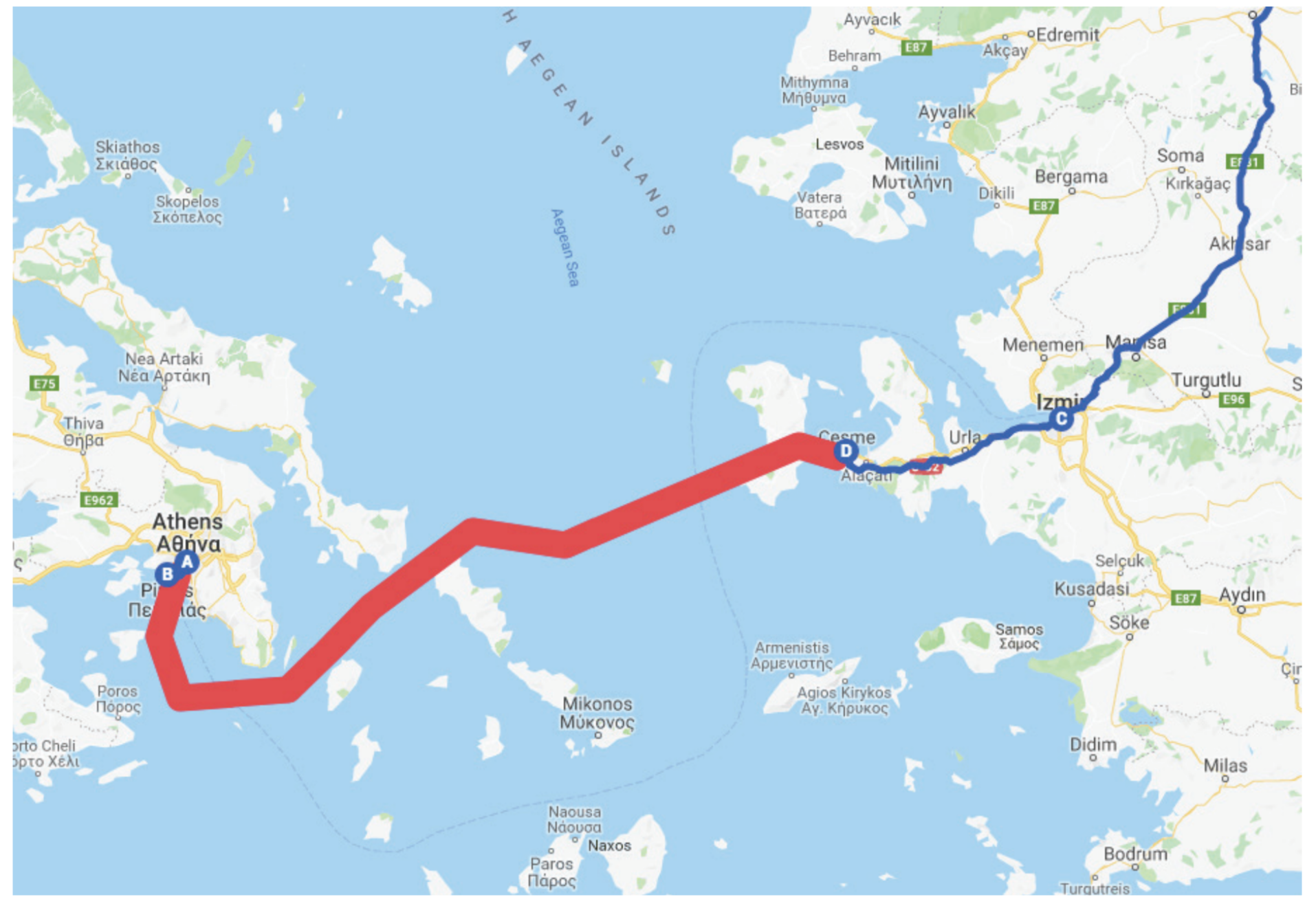
"We registered as asylum seekers in Chios, which would allow us to stay in Greece legally for a year. Two days later we purchased ferry tickets for $40 per person and went to Athens, from where we planned to continue our journey into Europe to join my brother. But when we got to Athens, we learned that the borders had been closed to migrants just days earlier. That's when we set up camp in Piraeus.
"Now we do not have a plan—the plan all along was to wait for the borders to open and continue the journey. We were only in contact with my brother in Sweden twice, in Iran and in Turkey, and he didn't send any money. Often volunteers and organizations bring food or supplies and ask refugees whether they are Syrian or Afghan, and only give the food to Syrians. Even the cash programs here are only for Syrians. We have seen some friends who have left if they have money to hire smugglers to get them out of Greece. Many young men go to Patra to get to Italy, where they have hopes of getting into France or Germany. But we have no money left. Now that the Greeks are dismantling the Piraeus camp, we are getting ready to move to the camp in Oinofyta.
"We do not know what is next for us."
📝 This article was originally published in a collection of biographies by the Henry J. Leir Institute at The Fletcher School of Law & Diplomacy and Tufts University.
You can Download the original collection below ⬇️